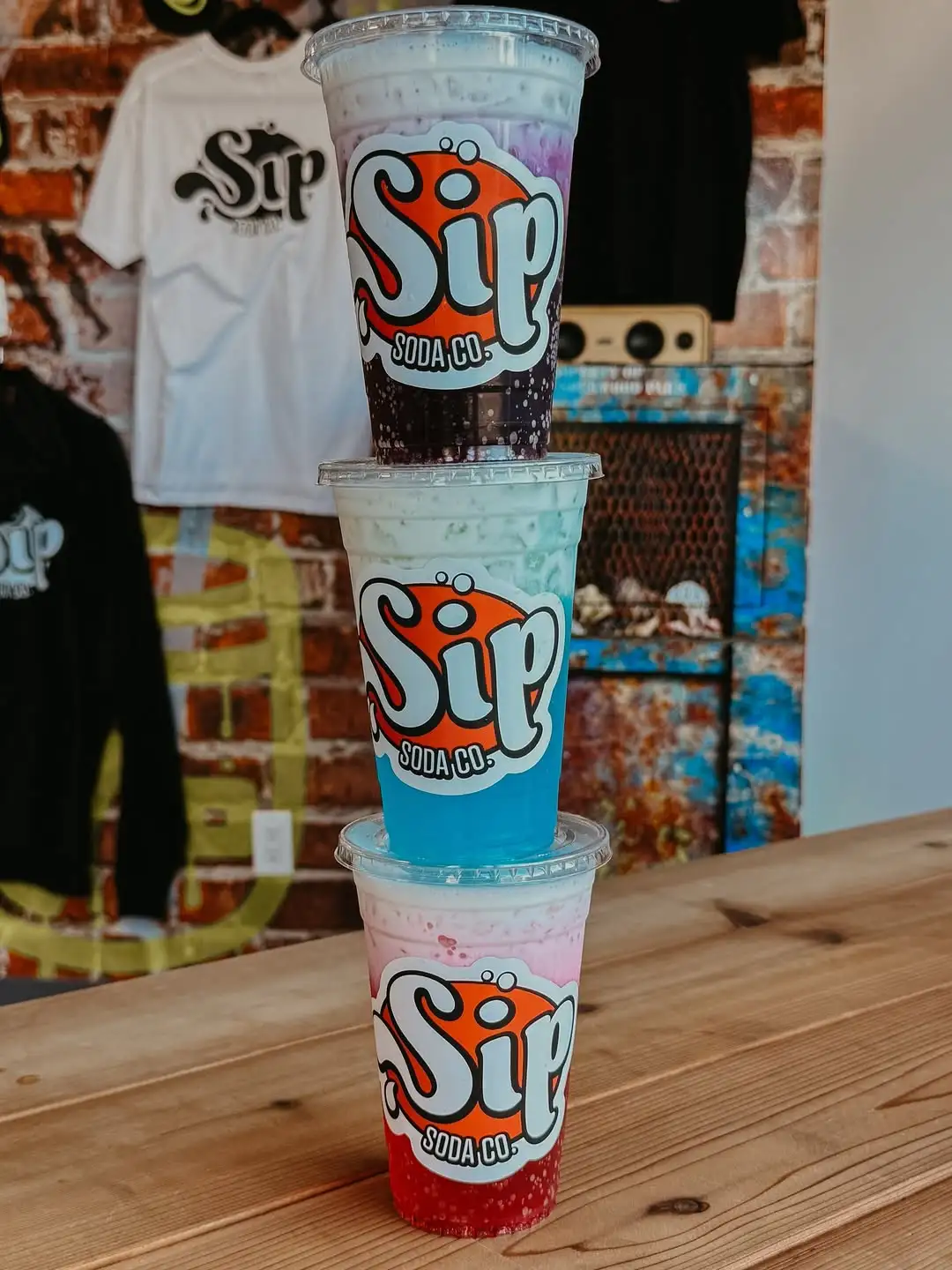
Dirty soda can be healthier than energy drinks or coffee when the drink is built with lower sugar, lower caffeine, or caffeine-free ingredients. The main difference is control: dirty soda can be adjusted by base, syrup, cream, citrus, and toppings, while energy drinks and coffee usually start with a stronger caffeine profile. A standard dirty soda often includes a soda base, flavored syrup, and cream, but this baseline can be modified in multiple ways. Sip Soda offers customizable dirty soda options for people who want a lighter alternative without relying on heavy stimulants.
What Is Dirty Soda and How Is It Made?
Dirty soda is a mixed soda drink made with a carbonated base, flavored syrups, cream, citrus, fruit purées, or other add-ins. The final drink depends on the ingredients selected, which means the caffeine, sugar, calories, and richness can change from one order to another.
A typical build includes a base, one or two syrup flavors, and optional cream. Increasing syrup quantity raises sugar content, while adding cream increases calorie density. The base selection determines caffeine presence and overall lightness. This is why dirty soda should not be treated as one fixed drink category. Its health profile depends on how it is made.
Common Ingredients in Dirty Soda
Common dirty soda bases include cola, lemon-lime soda, root beer, ginger ale, iced tea, lemonade, and sparkling water. Cola and iced tea usually contain caffeine. Most lemon-lime sodas, lemonade, and sparkling water options are caffeine-free, but labeling should be checked.
Flavor comes from syrups, fruit purées, citrus, or cream. Syrups can be sugar-based or sugar-free, which changes total sugar intake but may introduce artificial sweeteners. Fruit purées contribute natural sugars. Citrus adds flavor without increasing calorie density significantly. Cream is the primary contributor to increased calories and richness.
Can Dirty Soda Be Made Healthier?
Dirty soda can be made healthier by reducing the components that drive sugar, caffeine, and calorie intake. The most impactful changes are base selection, syrup type, and cream usage.
A lighter dirty soda may use:
• sparkling water or lemonade instead of cola
• sugar-free syrups instead of regular syrups
• fresh citrus instead of cream
• no heavy toppings
• a caffeine-free base
Removing cream and switching to a non-caffeinated base typically produces the largest reduction in calories and caffeine.
How Do Energy Drinks Compare?
Energy drinks are pre-formulated beverages designed for stimulation through caffeine and additional compounds. Caffeine levels vary by brand, but the drink’s composition is fixed once purchased.
Some lower-caffeine or sugar-free versions exist, but they still follow a defined formula. Unlike dirty soda, individual ingredients cannot be adjusted after selection.
Energy Drink Ingredients and Their Effects
Energy drinks commonly include caffeine, sweeteners, carbonation, B vitamins, taurine, and guarana. Taurine is an amino acid often included to support neurological function. Guarana is a plant extract that contributes additional caffeine.
These ingredients combine to increase stimulant load. Sugar-free versions remove sugar but retain the stimulant blend, which means they still deliver the same functional effect related to alertness.
Are Energy Drinks Easy to Make Healthier?
Energy drinks are not easily modified after purchase. The only meaningful control occurs during product selection, such as choosing lower-caffeine or sugar-free versions.
Dilution or mixing is not standard use and does not reliably reduce stimulant intake in a controlled way. This limits their flexibility compared to dirty soda.
How Does Coffee Compare?
Coffee starts with naturally occurring caffeine, so its baseline always includes some stimulant level unless decaf is chosen. Decaf coffee still contains small amounts of caffeine.
Caffeine content depends on brew method, concentration, and serving size. Cold brew is often more concentrated, while drip coffee varies depending on preparation. This makes caffeine less predictable than a fixed-label product.
Coffee Ingredients and Caffeine Levels
Coffee drinks usually start with drip coffee, espresso, cold brew, or iced coffee. Larger serving sizes increase total caffeine intake. Espresso contains higher caffeine per volume, while drip coffee often results in higher total intake due to serving size.
Calories come from add-ins such as cream, milk, syrups, or toppings. Iced coffee is not inherently lower in caffeine, as it depends on how it is brewed and diluted.
Can Coffee Be a Healthy Option?
Coffee can be a lighter option when it is consumed black or with minimal add-ins. Once sweeteners, syrups, and cream are added in larger quantities, the drink shifts toward a higher-calorie profile.
A moderate coffee typically includes limited sugar and minimal cream. Beyond that point, it becomes similar to dessert-style beverages in calorie impact.
Dirty Soda vs Energy Drinks vs Coffee: Which Is Healthier?
The healthier option depends on what is being controlled: caffeine, sugar, calories, or stimulant intake.
Dirty soda provides the most control when the goal is to reduce caffeine or customize sugar intake. Coffee can be lighter when consumed without heavy additions but maintains a caffeine baseline. Energy drinks are the least flexible due to fixed formulations.
For combined constraints, such as low sugar with moderate caffeine, coffee or a tea-based dirty soda may be more appropriate than a standard energy drink.
Caffeine Comparison
Energy drinks contain a defined caffeine amount per serving, though this varies by brand. Coffee contains naturally occurring caffeine, with total intake increasing based on size and preparation. Dirty soda can contain caffeine or none at all, depending on the base. This makes dirty soda the only option where caffeine can be removed entirely through ingredient selection.
Sugar and Ingredient Flexibility
Dirty soda allows independent control over base, syrup, and add-ins. Sugar-free syrups reduce added sugar but may include artificial sweeteners. Fruit purées add natural sugars, which still contribute to total intake.
Energy drinks have fixed sugar or sweetener profiles. Coffee allows sugar adjustment through add-ins, but does not allow independent control of caffeine.
Additives and Dietary Preferences
Dirty soda can be built to meet dietary preferences such as dairy-free, caffeine-free, or reduced sugar. Adjustments are made at the ingredient level.
Energy drinks often contain combined stimulant ingredients, including caffeine and plant-derived compounds. Coffee contains fewer base ingredients but still centers on caffeine unless decaf is selected.
When Is Dirty Soda the Better Choice?
Dirty soda is the better choice when the goal is to control caffeine, reduce sugar, or avoid stimulant blends. It is also suitable for those who want a cold, carbonated drink with adjustable flavor and richness.
It may not be the preferred option when high caffeine intake is required for performance or alertness, where energy drinks or strong coffee are more aligned with that goal.
How to Make a Healthier Dirty Soda
The highest-impact decision is the base. Sparkling water, lemonade, or lemon-lime soda typically reduce both caffeine and calorie load compared to cola.
The next factor is syrup selection. Sugar-free syrups reduce added sugar, while citrus provides flavor without increasing calorie density. Cream should be limited or removed to control calorie intake. A lowest-calorie configuration typically includes a caffeine-free base, sugar-free syrup, citrus, and no cream.
Want a Healthier Alternative? Sip Soda Has You Covered
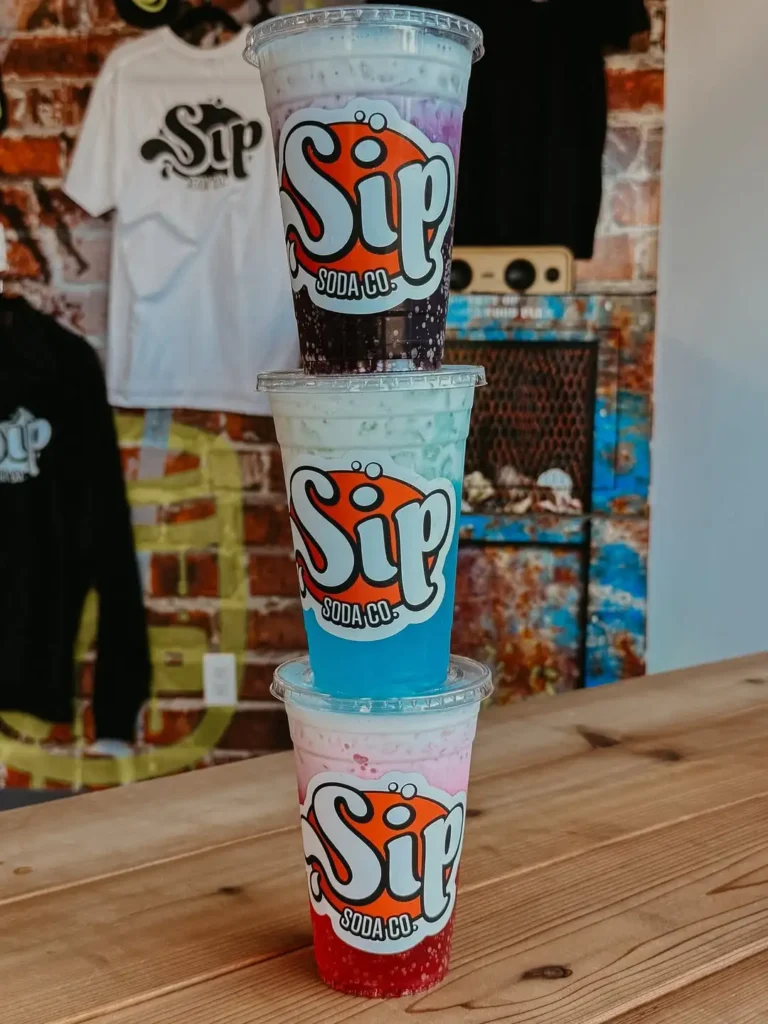
Sip Soda offers ingredient-level customization, including sugar-free syrups, sparkling-water bases, citrus options, and dairy-free choices. This allows each drink to be adjusted based on caffeine, sugar, and calorie preferences.
The key difference is operational. Drinks are built to order, which allows precise control over each component instead of relying on a fixed formula.