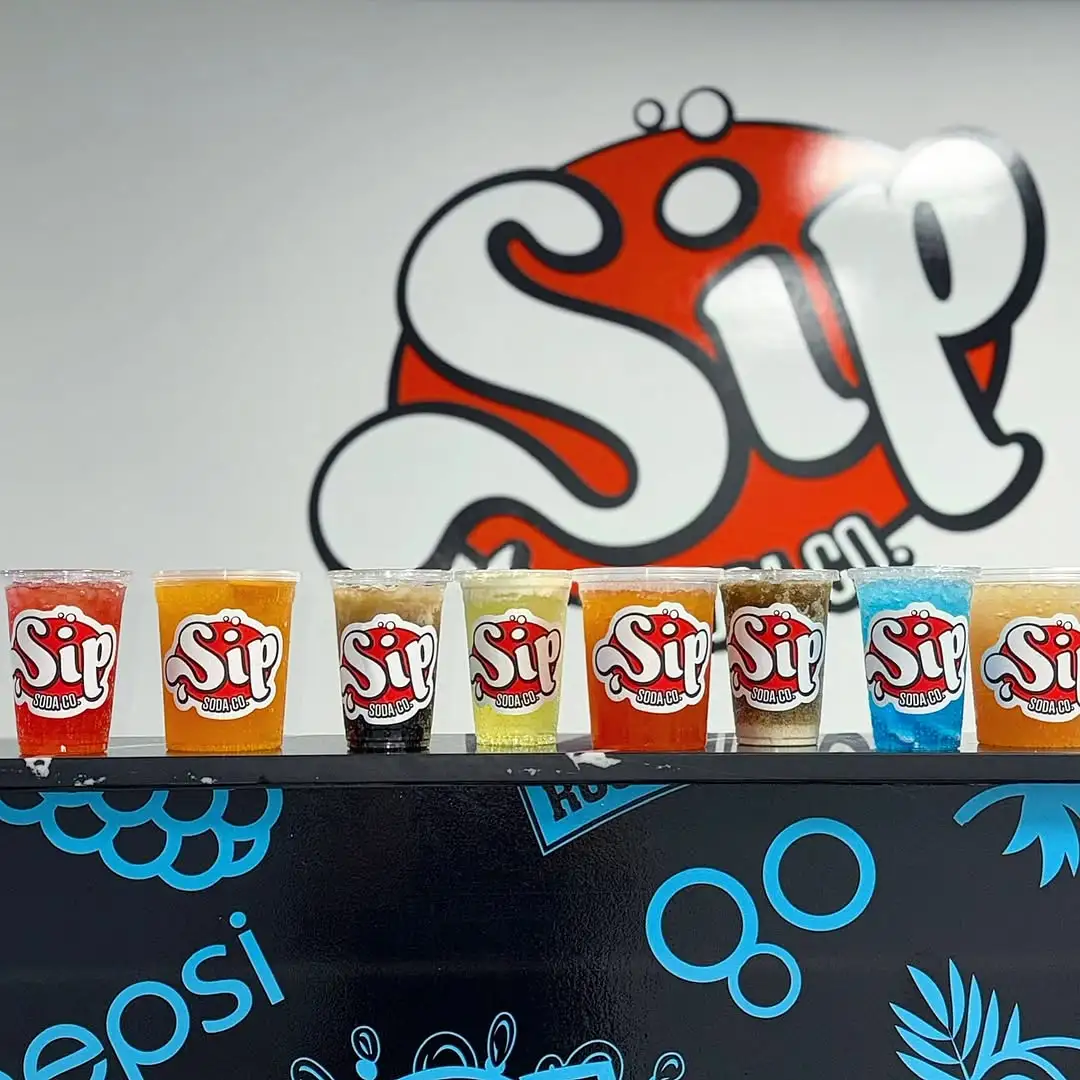
Dirty soda flavour combinations vary based on how ingredients interact, not just what is included. The balance between sweetness, acidity, carbonation, and texture determines whether a drink feels refreshing, heavy, or overly sweet. When balance is not achieved, drinks tend to become flat, overly syrupy, or too dense to finish. Sip Soda builds each combination with these factors in mind, using specific pairings that control how the drink tastes and finishes.
What Makes a Great Dirty Soda Combination?
A strong dirty soda combination balances sweetness, acidity, and carbonation so no single element dominates. Sweetness requires acidity to prevent the drink from becoming heavy. Cream requires both acidity and carbonation to avoid a flat finish. Purées add texture, but without enough carbonation or acidity, they can make the drink feel dense. Carbonation keeps the drink from becoming syrup-like and supports drinkability.
As a general rule, any drink that includes cream or multiple syrups should include a noticeable acidic element such as lime, lemon, or cranberry to maintain balance.
The base defines the direction of the drink. Cola creates depth and supports dessert-style builds. Citrus sodas create brightness and support fruit-forward combinations. Ginger ale introduces spice and works best with citrus and cream. Sparkling water produces the lightest result but requires stronger flavour inputs to avoid dilution.
Essential Components of a Sip Soda Dirty Soda
Each dirty soda is built from components that affect specific aspects of the drink rather than just flavour.
The base determines carbonation level, caffeine presence, and overall weight. Syrups control sweetness and flavour direction. Sugar-free syrups reduce sugar but may introduce artificial sweeteners, which affects taste perception.
Cream changes mouthfeel and increases calorie density. It is typically used in dessert-style or cola-based drinks and should be limited in low-acidity builds to avoid heaviness. Fruit purées add natural sugars and texture. Citrus controls brightness and prevents the drink from becoming too rich.
Garnishes and mix-ins mainly affect perception and texture, not structural balance.
Most balanced drinks use one base, one to two flavour components, and one modifier such as cream or citrus. Adding too many components increases the risk of flavour dilution or imbalance.
Top 10 Dirty Soda Flavour Combinations You Have to Try
- Starting Lineup
Dr. Pepper + vanilla + coconut + cream + fresh lime
This combination works because Dr. Pepper provides a complex, spiced base that supports both vanilla and coconut. Without lime, the drink becomes overly rich. A moderate amount of lime is required to offset the cream and maintain drinkability.
- High Markin’
Mountain Dew + splash of 7Up + mint + vanilla + ice cream
Mountain Dew provides a high-acid citrus base. The 7Up increases brightness, while mint lowers perceived sweetness and adds a cooling effect. Ice cream reduces carbonation and increases density, shifting the drink toward a float-style texture with a thicker mouthfeel than standard soda.
- Purple Haze
7Up + vanilla + lavender + grape + whipped cream
Lavender softens the sharpness of grape, which can otherwise dominate. Vanilla connects the floral and fruit elements. Lavender must be used carefully, as overuse can overpower the drink and create a soapy taste. Carbonation is required to keep the finish from feeling heavy.
- Ancient Debris
Cola + cherry + fresh lime + Twizzlers
Cherry strengthens cola’s natural profile rather than competing with it. Lime prevents the drink from becoming too syrup-heavy. Twizzlers act as a garnish and texture element, contributing minimal flavour impact compared to the core ingredients.
- Orange Dreamin’
Orange soda + cranberry + pineapple + peach + cream
Orange and pineapple create a strong tropical base. Peach increases sweetness, while cranberry introduces acidity that prevents the drink from becoming overly sweet. Without cranberry, the drink becomes noticeably sweeter and less balanced.
- Golden Shower
Ginger ale + lime + lemonade + vanilla + coconut + cream
Ginger ale introduces spice, which contrasts with the sweetness of coconut and vanilla. Lime and lemonade increase acidity and prevent the drink from becoming too rich. The ginger component adds a mild heat that offsets sweetness rather than increasing it.
- Pinkini
Iced tea + lemonade + cranberry + strawberry purée + lime
This combination uses a lower-carbonation base, which creates a smoother texture but less crispness compared to soda-based drinks. Strawberry purée adds weight, while cranberry and lime prevent the drink from feeling too thick.
- Lake Louise
Water or sparkling water + coconut + lemon + lime + orange
This is the lowest sweetness option among the listed drinks. Without a strong base flavour, citrus must carry the drink. Coconut softens acidity without significantly increasing heaviness. Sparkling water improves structure, while flat water produces a softer finish.
- Nanaimo Bar
Iced coffee + Nanaimo Bar flavouring + cream
This is a dessert-style drink. Coffee provides bitterness that balances the sweetness of chocolate and coconut notes. The drink contains caffeine due to the coffee base. Without coffee, the flavour becomes too dense and lacks contrast.
- Custom
Customization introduces variability that changes both flavour and structure. Combining multiple syrups increases sweetness quickly, while combining multiple bases can dilute flavour if not balanced properly.
A functional custom drink typically follows a simple structure: one base, one to two flavours, and one modifier. If a drink becomes too sweet or heavy, adding citrus or increasing carbonation can help rebalance it.
How to Choose the Right Dirty Soda for Your Taste
The base should match the intended outcome.
Citrus bases work best for refreshing drinks such as Pinkini or Purple Haze. Cola works best for deeper, dessert-style drinks such as Starting Lineup or Ancient Debris. Ginger ale supports combinations that need spice, such as Golden Shower. Water-based drinks such as Lake Louise are better suited for low-sweetness preferences.
If the goal is a lighter drink, limit cream and purée to a single light addition. If the goal is a dessert-style drink, use cream and a heavier base but include citrus or carbonation to maintain drinkability.
Tips for Customizing Your Own Flavor
Start with the base, then build upward with flavours, then modifiers.
Add acidity when the drink becomes too sweet or heavy. Add cream only after confirming the drink has enough brightness to support it. Use purées carefully, as they increase both sweetness and texture.
Avoid mixing multiple bases unless flavour intensity is increased to compensate, as combining bases can dilute overall taste.
If multiple flavours are used, they should support the same direction. Mixing unrelated flavour profiles often results in a muddled outcome rather than a layered one.
Want to Try These Flavour Combinations? Visit Sip Soda
Sip Soda prepares each drink to order, allowing control over base, flavour, sweetness, carbonation, and texture. The menu includes a wide range of base options, sugar-free syrups, purées, citrus, and cream variations, which enables precise adjustments.