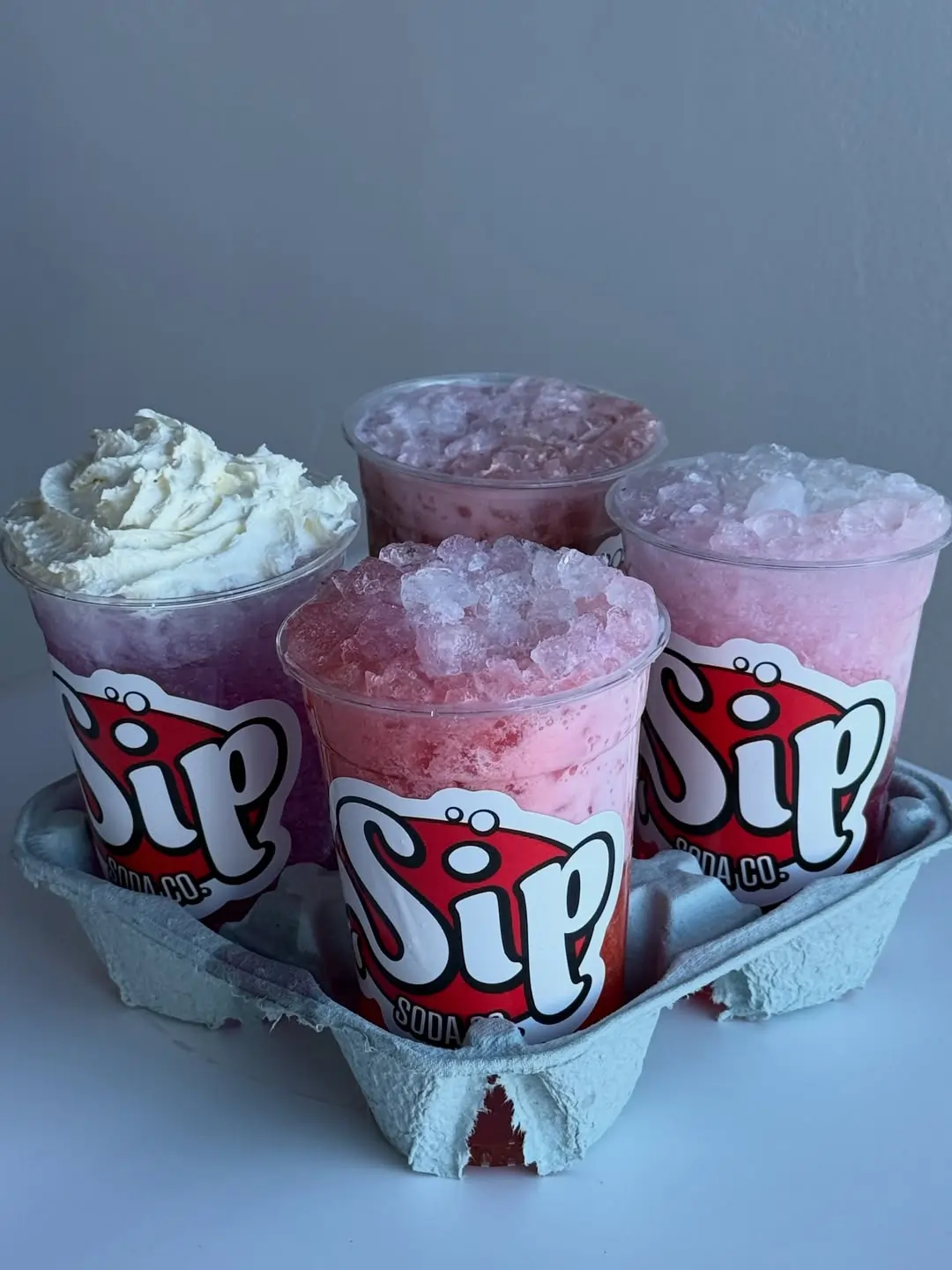
Beverage franchises often look similar from the outside, but the operational reality behind each model is very different. Coffee, smoothie, and dirty soda franchises vary significantly in startup complexity, labor demands, ingredient management, and scalability. For investors and operators comparing these options, understanding how each concept functions day to day is far more important than surface level popularity. Within this landscape, Soda Sip has emerged as part of the growing dirty soda category, which is gaining attention as a modern alternative with fewer operational barriers than traditional beverage concepts.
What Franchise Buyers Should Compare Before Choosing a Beverage Model
Before comparing individual beverage categories, it helps to establish a practical evaluation lens. Franchise success is shaped less by the type of drink being sold and more by how efficiently the operation runs under real world conditions.
Key factors most buyers should weigh include:
• Equipment complexity and ongoing maintenance
• Staffing requirements and training time
• Speed of service during peak hours
• Ingredient shelf life and waste risk
• Ability to increase average order value
• Market saturation and competitive pressure
Using these criteria makes the differences between coffee, smoothie, and dirty soda franchises much clearer.
Coffee Franchises
Coffee franchises are built around habit. Customers rely on coffee as part of their daily routine, which creates consistent traffic and strong morning demand. This repeat behavior is one of the category’s biggest strengths and a major reason coffee remains attractive to franchise buyers.
Operationally, coffee concepts tend to be the most demanding. Espresso machines, grinders, water filtration systems, refrigeration, and sometimes food equipment increase both startup costs and maintenance requirements. Staff training is also more intensive, as drink quality depends heavily on barista skill, consistency, and speed during rush periods. When execution slips, bottlenecks form quickly and customer experience suffers.
Coffee franchises can be highly rewarding for operators who excel at process control and quality management. However, the operational burden and competitive saturation make this model less forgiving than many first time buyers expect.
Smoothie Franchises
Smoothie franchises sit between beverage service and food preparation. They appeal to customers seeking wellness focused options, functional nutrition, or meal replacements, which shapes both demand patterns and operational complexity.
Compared to coffee, smoothie operations require less technical drink preparation but introduce more inventory sensitivity. Fresh and frozen ingredients require disciplined forecasting and portion control to avoid waste. While training is generally easier than espresso based programs, prep time and ingredient handling can slow service during busy periods.
Smoothie franchises often perform well during midday and afternoon hours and benefit from add ons such as protein boosts and supplements. At the same time, margins can be affected by ingredient cost fluctuations and seasonal demand swings, making operational discipline critical.
Dirty Soda Franchises
Dirty soda franchises represent a newer beverage category focused on customization rather than preparation complexity. The model centers on flavored sodas enhanced with syrups, creams, and mix ins, allowing customers to create personalized drinks without technical equipment or specialized training.
Operationally, dirty soda concepts are simpler than both coffee and smoothie franchises. Equipment requirements are limited, training is fast, and ingredients generally have longer shelf lives than fresh produce. This reduces waste risk and simplifies inventory management. The emphasis on customization encourages repeat visits, as customers return for specific flavor combinations they enjoy.
Demand for dirty soda tends to skew toward afternoons and evenings, with strong appeal among younger customers, families, and social groups. High margin add ons can be introduced without slowing service, which supports strong throughput during busy periods.
Operational Costs and Complexity Comparison
When comparing operational burden across models, clear differences emerge:
• Coffee franchises carry the highest complexity due to equipment, training, and maintenance
• Smoothie franchises sit in the middle, balancing simpler equipment with higher waste risk
• Dirty soda franchises operate with the lowest complexity and fastest staff onboarding
These differences directly impact staffing stress, operational predictability, and scalability over time.
Market Trends and Customer Demand
Coffee remains a staple category driven by deeply ingrained habits, but it is also one of the most saturated beverage markets. Smoothie franchises track wellness trends, which can fluctuate with seasonality and consumer behavior.
Dirty soda aligns with broader trends toward customization and non alcoholic social beverages. Customers increasingly value personalized experiences over standardized menus, and social media has accelerated awareness of dirty soda concepts, especially among younger demographics.
Profit Potential and What Actually Drives Margin
Across all beverage franchise models, profit is driven by a combination of average order value, speed of service, labor efficiency, and waste control. Coffee relies heavily on morning throughput and add ons. Smoothies depend on ingredient management and upsell discipline. Dirty soda benefits from fast service and high margin customization without increasing labor complexity.
Operational simplicity often becomes an overlooked profit driver. Models that reduce training time, waste, and equipment downtime tend to produce more stable margins over time.
Why Dirty Soda Is Emerging as a Low Barrier Alternative
Dirty soda franchises are gaining momentum because they balance strong demand with operational simplicity. Compared to espresso heavy coffee concepts, they require less specialized equipment and training. Compared to smoothie franchises, they carry lower perishability risk and faster service times.
This combination makes dirty soda particularly attractive in markets where coffee is oversaturated but customers still want a daily treat. Concepts like Soda Sip show how customization and simplicity can coexist within a scalable franchise model.
How to Choose the Right Beverage Franchise for Your Goals
The right franchise model depends on your operational tolerance and long term objectives. Coffee suits operators comfortable with complexity and intense peak periods. Smoothies appeal to those confident in inventory and food management. Dirty soda offers a path for operators seeking customization driven demand with fewer operational hurdles. Matching the model to your strengths is often more important than chasing the most familiar category.
Talk to Soda Sip About Franchise Opportunities
For operators exploring beverage franchises with lower complexity and strong customer appeal, dirty soda is worth serious consideration. To learn more about how the Soda Sip franchise model works and whether it aligns with your goals, contact Soda Sip to start a conversation about franchise opportunities.