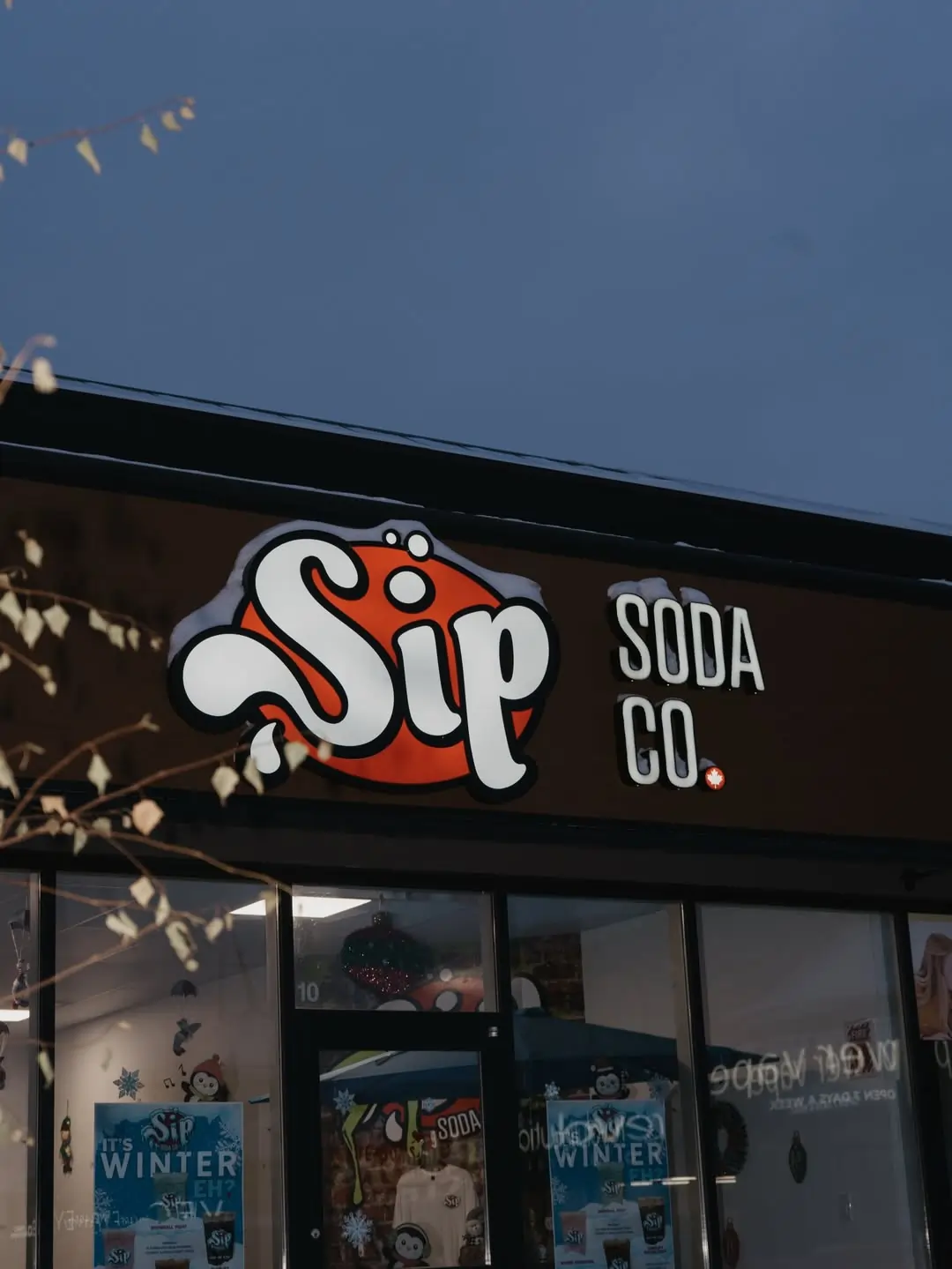
Soda has remained a constant presence in popular culture for more than a century, but the way people consume and experience it has changed over time. What began as a standardized refreshment built around a few iconic flavors has evolved into a customizable category that consumer preferences now shape. Soda Sip reflects this shift by treating soda as a starting point rather than a finished product, allowing people to rethink what a non alcoholic drink can be.
Understanding how soda reached this point requires looking at its early role in social settings, its growth through mass production, and the shift toward customization and non alcoholic alternatives.
The Early Days of Soda and Classic Cola Culture
Soda’s origins trace back to soda fountains in pharmacies and public gathering places, where people served carbonated drinks as both refreshment and novelty. These locations acted as social hubs where people gathered, talked, and spent time together.
Brands standardized flavor profiles during this period. The focus stayed on consistency and familiarity rather than choice. Everyone recognized and shared soda, which helped it become part of everyday life.
Soda Becomes Mainstream and Mass Marketed
As bottling technology improved and delivery systems expanded, soda moved from local fountain service to mass production. Bottled and canned soda allowed brands to reach consumers across large areas, making soda one of the most widely consumed drinks.
During this phase, uniformity mattered. Consumers expected the same taste everywhere. Brands focused on scale, affordability, and convenience. Soda offered reliability and accessibility, but limited how people could change or personalize the experience.
Changing Consumer Preferences and the Shift Toward Choice
Over time, consumer expectations changed. As food and drink culture evolved, people wanted more control over what they consumed.
Businesses adopted customization across restaurants, coffee shops, and fast casual concepts. Drinks followed the same shift. Younger consumers showed a stronger preference for experiences over fixed products. They wanted drinks that matched personal taste rather than preset menus.
This shift allowed soda to move from a fixed product to a customizable base.
The Rise of Non Alcoholic Social Drinks
Social drinking without alcohol has grown in popularity. More people want drinks that feel social and enjoyable without relying on alcohol.
People used beverages to take part in social settings while keeping the experience engaging. Soda fits naturally into this role because it is already familiar. Its base allows easy pairing with syrups, creams, and mix ins, which gives it flexibility that many alternatives lack.
What Is Dirty Soda and Why It Emerged
Dirty soda builds on this shift by turning soda into a customizable drink. At its core, it combines carbonated soda with flavored syrups, creams, and mix ins to create personalized combinations.
This concept gained traction because it aligns with several factors at once:
• demand for customization without complex preparation
• growth in non alcoholic social drinking
• preference for familiar bases with new flavor combinations
Dirty soda did not replace traditional soda. It expanded what soda could become by adding variety and repeat appeal.
Where Dirty Soda Fits in Today’s Beverage Landscape
Personalization defines today’s drink market. Coffee culture helped normalize customization, and dirty soda follows that pattern by allowing drinks to be built at the time of ordering instead of being fixed in advance.
Social media has increased visibility around unique drink combinations. People share and revisit specific builds, which encourages repeat visits and ongoing interest. This keeps dirty soda relevant while still feeling familiar.
Why Customization Defines the Future of Soda
Customization is now central to how people choose drinks. Consumers value flexibility and the ability to adjust flavor, sweetness, and texture.
Soda has adapted by allowing drinks to be built at the point of serving instead of being locked during production. This keeps the category relevant in a crowded market. It also allows soda to offer variety without losing the simplicity that made it popular.
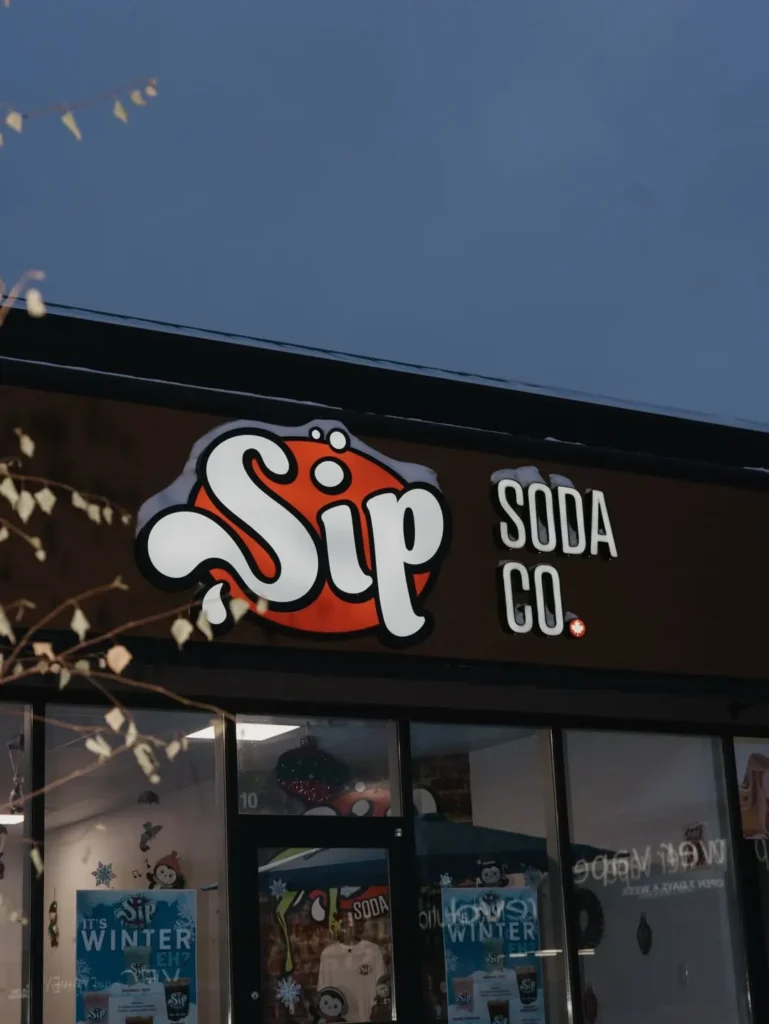
How Soda Sip Reflects the Modern Soda Evolution
Cultural change shaped the evolution of soda, not a single trend. Dirty soda represents a continuation of that shift, combining familiarity with customization and social appeal.
Soda Sip reflects this by using structured menus, consistent ingredient systems, and repeatable customization. This approach allows drinks to stay consistent while still offering variation based on preference.
For those exploring how modern soda fits current drinking habits or how dirty soda continues to evolve, Soda Sip provides a clear example of how the category operates today.