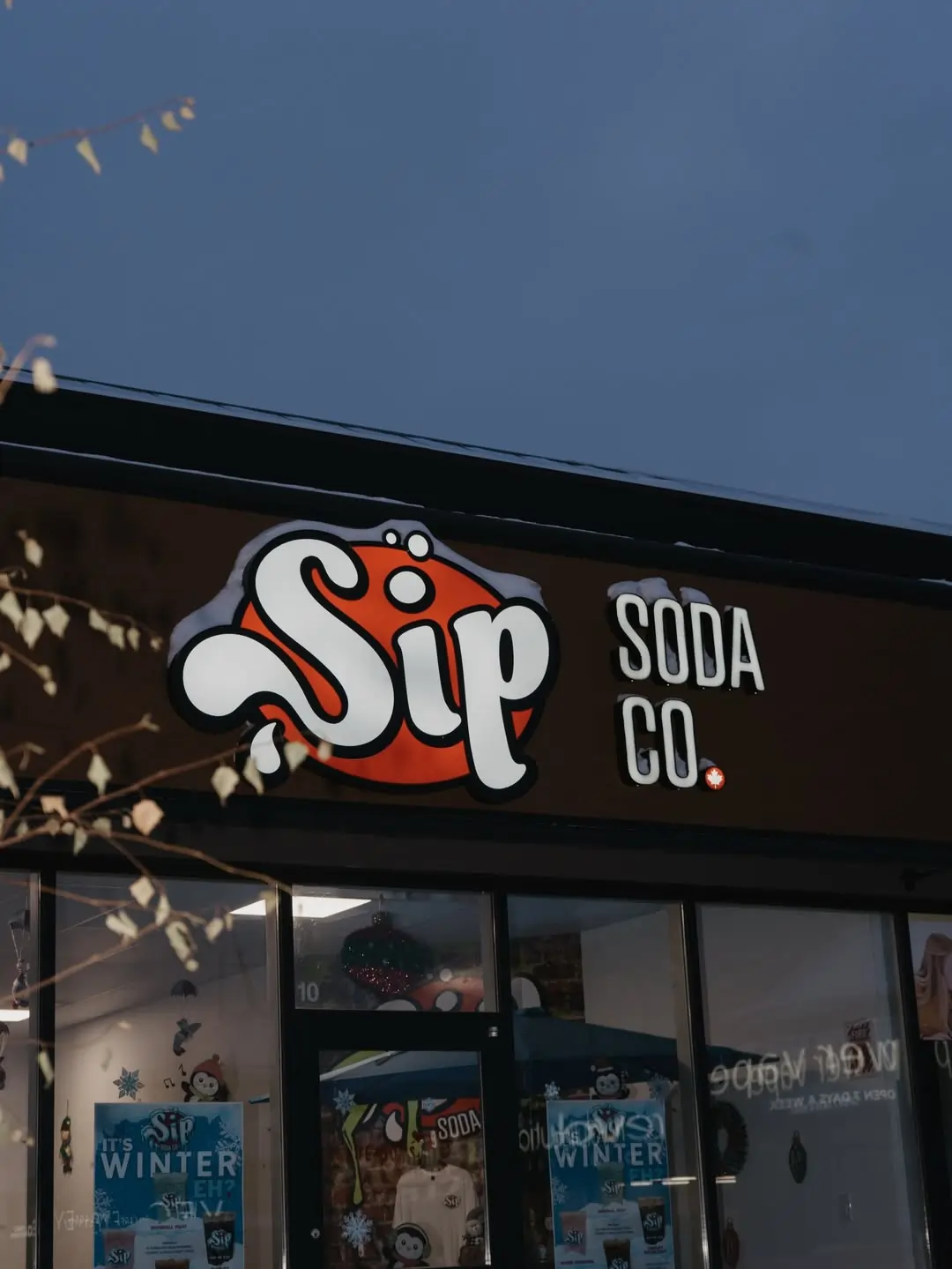
Soda has been a constant presence in popular culture for more than a century, but the way people consume and experience it has changed dramatically over time. What began as a standardized refreshment built around a few iconic flavors has evolved into a customizable, experience driven category shaped by shifting consumer preferences. Soda Sip represents part of this modern evolution, where soda is no longer just a drink but a personalized, social experience that reflects how tastes and habits have changed.
Understanding how soda reached this point requires looking at its cultural roots, its mass market expansion, and the gradual shift toward customization and non alcoholic social alternatives.
The Early Days of Soda and Classic Cola Culture
Soda’s origins trace back to soda fountains in pharmacies and public gathering places, where carbonated drinks were served as both refreshment and novelty. Early sodas were closely tied to social interaction, with soda fountains acting as communal spaces where people gathered, talked, and relaxed.
Classic cola brands emerged during this period and quickly became cultural icons. Flavor profiles were standardized, and the appeal centered on consistency and familiarity rather than choice. Soda was something everyone recognized and shared, which helped it become deeply embedded in everyday life.
Soda Becomes Mainstream and Mass Marketed
As bottling technology and distribution networks improved, soda shifted from local fountain service to mass production. Bottled and canned sodas made it possible for brands to reach consumers everywhere, transforming soda into one of the most widely consumed beverages in the world.
During this era, uniformity mattered. Consumers expected the same taste regardless of location, and brands focused on scale, affordability, and convenience. While this approach fueled explosive growth, it also limited personalization. Soda became reliable and accessible, but largely unchanged in how it was experienced.
Changing Consumer Preferences and the Shift Toward Choice
Over time, consumer expectations began to change. As food and beverage culture evolved, people started seeking more control over what they consumed. Customization became common across restaurants, coffee shops, and fast casual concepts, and beverages followed the same path.
Younger consumers, in particular, showed a preference for experiences over standardized products. They wanted drinks that reflected personal taste rather than fixed menus. This shift opened the door for soda to move beyond its traditional role and become a customizable base rather than a finished product.
The Rise of Non Alcoholic Social Drinks
Another major shift influencing soda’s evolution has been the rise of non alcoholic social experiences. More consumers began looking for alternatives to alcohol that still felt fun, social, and indulgent. Beverages became a way to participate in social moments without relying on alcohol.
Soda fit naturally into this space. Its familiar base made it approachable, while its ability to pair with flavors, creams, and mix ins allowed it to take on a more elevated role. Instead of competing with alcohol, soda evolved into a creative, inclusive option for social settings.
What Is Dirty Soda and Why It Emerged
Dirty soda builds on this foundation by transforming soda into a customizable drink experience. At its core, dirty soda combines carbonated soda with flavored syrups, creams, and other mix ins, allowing customers to create highly personalized combinations.
This concept emerged because it aligned with multiple trends at once:
• The desire for customization without complexity
• Growing interest in non alcoholic social drinks
• Preference for familiar bases paired with novel flavors
Dirty soda did not replace traditional soda, but expanded what soda could be. It offered variety, creativity, and repeat appeal without requiring consumers to abandon flavors they already enjoyed.
Where Dirty Soda Fits in Today’s Beverage Landscape
Today’s beverage landscape is defined by personalization and experience. Coffee culture normalized customization, and dirty soda follows a similar pattern by allowing customers to build drinks around their preferences. Social media has amplified this effect, turning unique combinations into shareable moments that encourage discovery and repeat visits.
Brands like Soda Sip show how dirty soda fits naturally into modern consumption habits. By offering structured customization and consistent execution, dirty soda concepts balance novelty with familiarity, making them approachable while still feeling new.
Why Customization Defines the Future of Soda
Customization has become central to how consumers engage with food and beverages. People value choice, flexibility, and the ability to tailor products to their tastes. Soda, once defined by uniformity, has adapted by becoming a platform rather than a fixed product.
This shift allows soda to remain relevant in a crowded beverage market. By offering variety without overwhelming complexity, customized soda experiences meet modern expectations while retaining the simplicity that made soda popular in the first place.
How Soda Sip Reflects the Modern Soda Evolution
The evolution of soda has been shaped by cultural change rather than sudden disruption. Dirty soda represents a logical next step, blending familiarity with personalization and social appeal. Soda Sip reflects this evolution by focusing on customization, repeat experiences, and non alcoholic enjoyment that fits modern lifestyles.
For those interested in exploring how modern soda concepts align with today’s preferences or learning more about the dirty soda experience, contact Soda Sip to discover how this category continues to evolve within the beverage landscape.