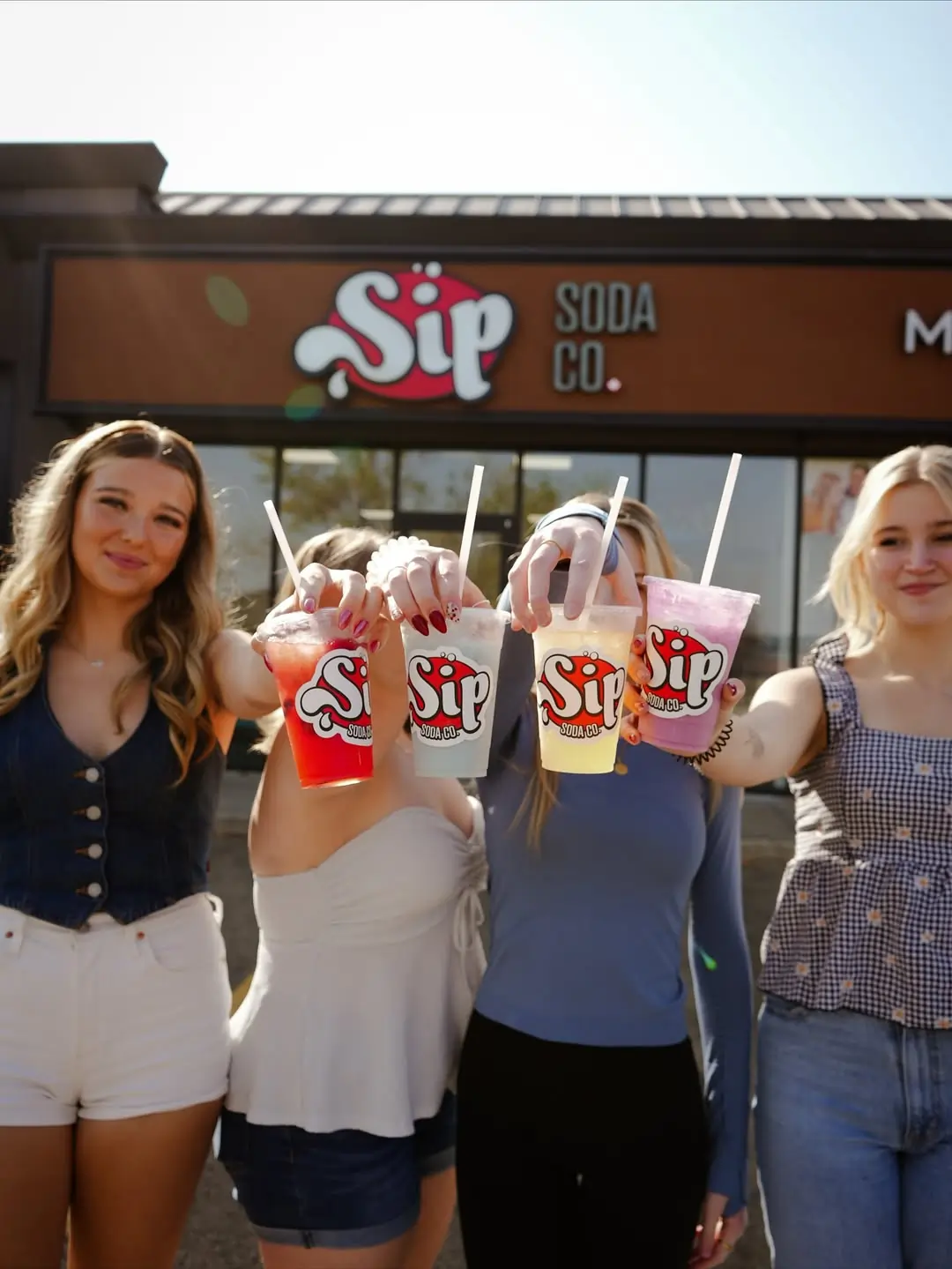
How dirty soda differs from mocktails and specialty sodas comes down to ingredient structure, preparation method, and how much control the customer has over the final drink. Dirty soda refers to a soda-based beverage modified with syrups, creams, and flavour add-ins using a modular assembly approach. While all three fall under non-alcoholic beverages, they operate differently in how they are built, served, and experienced. These differences apply across structure, speed of preparation, and level of customization, which explains why they do not function the same in a retail setting. This distinction helps clarify where Sip Soda fits within Canada’s evolving beverage market.
Core Ingredient Structure Comparison
Dirty soda, mocktails, and specialty sodas differ at the ingredient level, which directly affects flexibility, consistency, and how the drink is built.
Dirty soda uses a soda base, typically cola, lemon-lime, or root beer, combined with syrups, creams, and flavour add-ins. This modular structure allows each component to change independently without affecting the base system, which increases flexibility and repeatability.
Mocktails follow a recipe-driven format. Ingredients such as juices, bitters, herbs, and carbonation are combined in specific ratios. Changes to one ingredient often require adjustments to others to maintain balance, which limits flexibility compared to modular systems.
Specialty sodas, including craft or bottled sodas, are pre-formulated during production. The flavour profile is fixed, which ensures consistency but removes the ability to modify the drink at the point of purchase. This category typically includes premium or craft sodas rather than mass-market options.
Some overlap exists. Certain drinks may combine soda with mocktail-style ingredients, but classification depends on how the drink is built. If the process follows a modular assembly, it aligns with dirty soda. If it follows a fixed recipe, it aligns with mocktails.
This creates three distinct models:
: Dirty soda: modular base with adjustable components
: Mocktails: recipe-based mixed drink requiring balance
: Specialty soda: fixed, pre-made beverage
Preparation Complexity and Speed
Preparation differences define how each category performs in a retail setting, especially in terms of speed and order volume.
Throughput refers to the number of orders a location can complete within a given time period. This becomes a key factor in high-volume environments where speed directly affects customer experience.
Dirty Soda Assembly Model
Dirty soda follows an assembly model, meaning staff use a repeatable step-by-step process with interchangeable components. They start with a soda base, then add selected syrups, creams, and flavour elements.
Under standard conditions, this model remains faster than multi-step mixed drinks because it does not rely on measuring or balancing complex recipes. However, speed can decrease when orders include a high number of modifications or less common combinations.
Mocktail Craft Preparation
Mocktails require a traditional drink preparation process. Staff measure ingredients, combine liquids, and often include steps such as shaking, stirring, or garnishing.
This increases preparation time and introduces variability between orders. That variability affects consistency and wait time, which can matter in faster retail environments. Some venues reduce complexity by batching ingredients in advance, but this changes the preparation method and may reduce the intended craft aspect.
Bottled or Pre-Formulated Specialty Soda
Specialty sodas require minimal preparation. Staff serve the product as it arrives, which allows for the fastest possible service time.
Fountain soda can introduce minor variation through flavour shots or carbonation levels, but the structure remains largely fixed compared to modular or recipe-driven formats.
Customization Depth and Consumer Control
Customization depth refers to how many elements of a drink can be adjusted and how much those changes affect the final result.
Dirty soda offers high customization because customers can adjust multiple variables, including flavour combinations, sweetness, and texture. Each change directly impacts the outcome, which increases perceived control and supports repeat visits.
Mocktails offer moderate customization. While substitutions are possible, the recipe structure limits how much can change without affecting balance. This reduces flexibility compared to modular systems.
Specialty sodas offer minimal customization. Customers select from available flavours rather than modifying them. This supports speed and simplicity but does not provide the same level of control.
Not all customers prioritize customization. Some prefer fast, predictable options, which is why fixed-format beverages continue to perform well in convenience-driven settings.
Price Positioning and Occasion Use
Each category aligns with different pricing expectations and usage contexts.
Dirty soda typically sits between standard soda and mocktails in price. It aligns with frequent, everyday consumption because it balances customization with speed.
Mocktails usually sit at a higher price point due to preparation time, ingredient variety, and presentation. They align more with social settings, dining environments, or event-based occasions.
Specialty sodas remain closer to traditional soda pricing, though craft variants may cost more. They align with quick purchases where convenience and consistency matter more than customization.
These categories can overlap in casual social settings, but their primary use cases differ. Dirty soda supports routine visits, mocktails support experience-driven occasions, and specialty sodas support convenience-focused purchases.
Where Dirty Soda Cafés Fit in Canada’s Beverage Landscape
Dirty soda cafés operate between fast, fixed beverages and slower, experience-driven drinks by combining speed with customization. This allows them to serve both routine visits and exploratory purchases without relying on complex preparation.
This is where Sip Soda fits within the Canadian market, particularly through a modular system that supports variation without slowing service under normal conditions. Menus such as Sip Soda flavour options show how combinations can expand while keeping the process consistent.
In Canada, regional demand, climate, and urban retail patterns influence how these concepts perform. Colder seasons may shift purchasing behavior, while urban areas tend to support higher repeat traffic for customizable formats.
These categories can compete in overlapping situations, such as casual social outings or non-alcoholic alternatives. However, they primarily complement each other over time by serving different needs. Dirty soda focuses on speed and flexibility, mocktails focus on crafted experience, and specialty sodas focus on convenience and consistency.