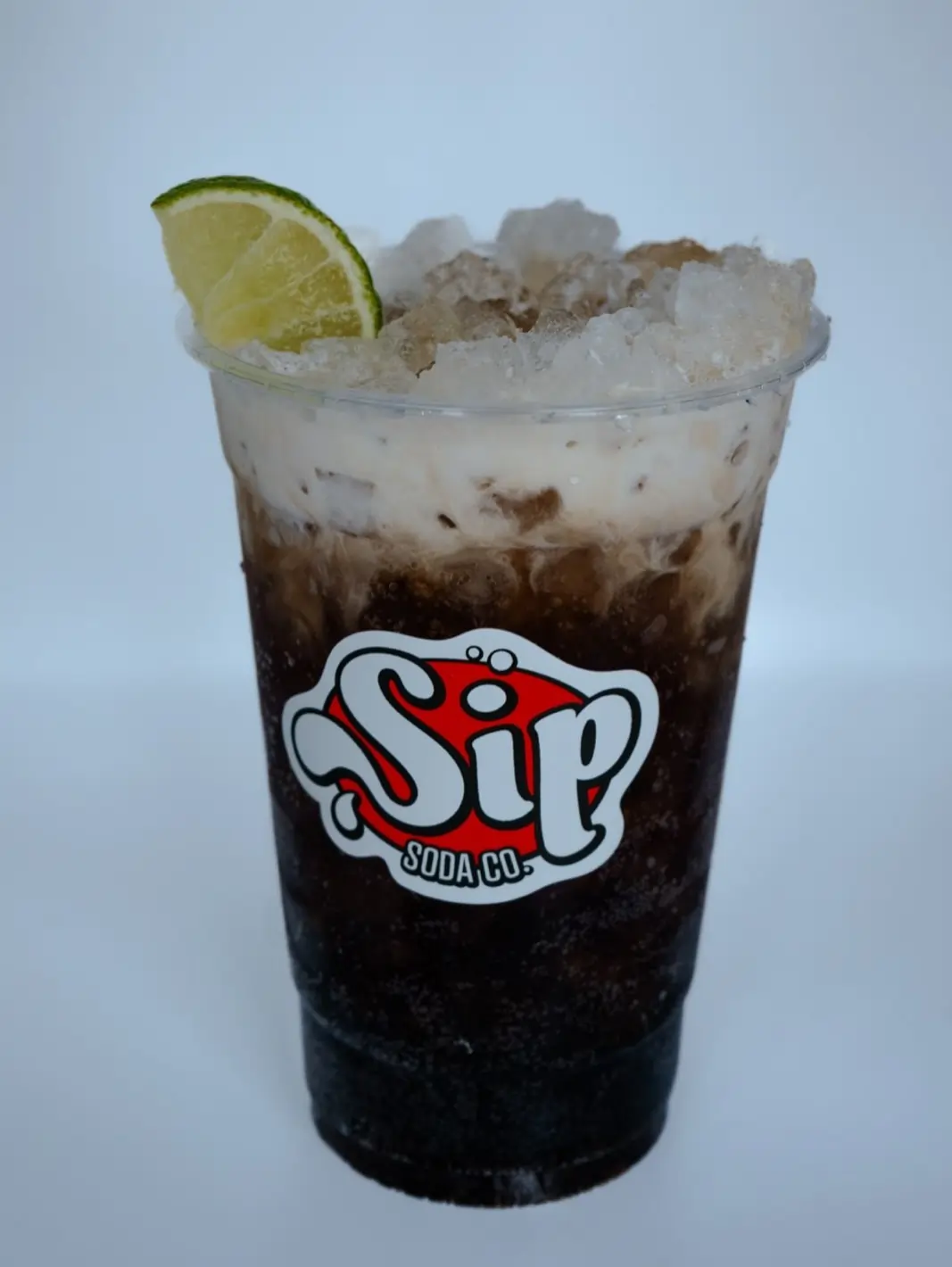
Dirty soda cafés and coffee shops both operate within the beverage retail space, but the reasons customers choose one over the other are often very different. Customer decisions are typically influenced by the purpose of the visit, the level of drink customization available, the time of day, and how customers perceive value from the experience. Beverage concepts centered around flavored sodas often attract customers looking for novelty, variety, or social experiences, while traditional coffee shops are more closely associated with routine consumption and productivity-driven visits. Brands such as Sip Soda illustrate how customizable soda beverages and experience driven drink menus appeal to younger audiences and social groups.
Different Core Motivations Behind Each Visit
Customers typically visit coffee shops and dirty soda cafés for different reasons. While both serve drinks, the motivations behind the visit influence purchasing patterns, time of day traffic, and customer expectations.
Coffee purchases are often tied to routine consumption patterns such as daily morning purchases during commutes or workday starts. These purchases are commonly driven by caffeine needs, convenience, and predictable ordering habits.
Dirty soda cafés tend to attract visits driven more by experience. Customers often visit specifically to try new drink combinations, meet with friends, or explore menu creativity. The experience element is reinforced by highly customizable drinks, novelty menu items, and visually distinctive beverages that are often shared socially or online.
Energy and Productivity vs Social Experience
Coffee shops are strongly associated with energy and productivity. Customers frequently purchase coffee to support work tasks, studying, commuting, or early morning schedules. Many coffee shops also support these behaviors through seating areas, WiFi access, and workspace friendly environments where customers can remain for extended periods.
Dirty soda cafés tend to function more as social destinations. Groups of friends, families, and younger customers may visit together to experiment with drink combinations. The beverage becomes part of a shared activity rather than simply a caffeine purchase. While many visits are still quick takeout purchases, the brand positioning and menu design often emphasize social interaction and novelty.
Habit-Based Consumption vs Custom Creation
Coffee consumption is often habit driven. Many customers repeatedly order the same beverage and prioritize speed, familiarity, and convenience.
Dirty soda menus emphasize custom creation. Customers typically build drinks by combining soda bases with flavored syrups, creams, fruit additions, and other toppings. The range of possible combinations allows customers to design personalized beverages rather than selecting from a fixed recipe.
This process encourages creative participation because customers actively choose the components of the drink they want to create.
Customization and Menu Psychology
Menu structure plays a major role in how customers perceive beverage options. Dirty soda cafés rely heavily on customization, which creates a sense of control and engagement during the ordering process.
When customers feel they are designing their own beverage rather than selecting a standard menu item, the experience can become more interactive. This perception of control and novelty often encourages customers to experiment with different drink combinations and return to try additional variations.
Perceived Creativity and Ownership
Customization allows customers to feel that they are building something unique. Instead of selecting a fixed beverage recipe, customers combine base sodas with syrups, cream, fruit flavors, and other additions.
This sense of ownership means the drink is perceived as personally designed rather than simply purchased from a menu. Customers often remember their combinations, recommend them to friends, or share them on social media.
Because each combination can feel distinct, the ordering experience becomes more memorable than choosing a standard beverage.
Add-Ons and Flavor Personalization
Dirty soda menus typically begin with a base drink followed by optional add-ons. Flavor syrups, fruit infusions, creams, and specialty toppings allow customers to adjust sweetness, texture, and flavor intensity.
These layered menu structures often lead customers to select multiple add-ons for a single beverage. As additional flavors and ingredients are added, the drink becomes more personalized while also increasing the final ticket value.
Examples of dirty soda concepts can be explored through the Sip Soda drink menu and brand concept which demonstrates how customization drives the customer experience.
Demographic and Time-of-Day Differences
Dirty soda cafés and coffee shops also show noticeable differences in customer demographics and peak traffic times.
These patterns help explain why the two models often coexist within the same market rather than replacing each other entirely.
Teen and After-School Patterns
Dirty soda cafés frequently attract younger audiences, particularly teenagers, young adults, and groups of friends. After-school hours often bring groups of students looking for a social gathering place and customizable drinks.
The visual design of many dirty soda drinks also contributes to social media sharing. Bright colors, layered flavors, and decorative toppings create visually distinctive beverages that customers often photograph and share online.
This visual appeal can help drive interest among younger audiences who value unique and shareable experiences.
Weekend and Evening Traffic
Dirty soda cafés often perform strongly during evenings and weekends. These time periods align with social outings, group activities, and casual beverage runs.
Many customers treat dirty soda drinks as dessert style beverages or indulgent treats rather than functional caffeine purchases. As a result, visits may occur after dinner, during weekend outings, or as part of social gatherings.
Coffee shops traditionally experience stronger morning traffic driven by work schedules and commuting patterns, although afternoon visits remain common as well.
Price Sensitivity and Ticket Structure
Pricing structures influence how customers evaluate beverage purchases. Dirty soda cafés and coffee shops often use different pricing strategies.
In retail beverage businesses, the average ticket refers to the total amount spent per customer transaction. The structure of drink pricing and optional add-ons can significantly influence the average ticket size.
Base Drink Cost vs Add-On Upsell
Dirty soda drinks often begin with a lower base price for a simple soda. Customers can then add multiple syrups, creams, fruit infusions, or toppings to customize the beverage.
Many orders include several add-ons, which increases the final ticket value while allowing customers to personalize the drink.
Coffee beverages frequently begin with a higher base price, especially for specialty espresso drinks such as lattes, cappuccinos, or flavored espresso beverages.
Perceived Value vs Utility
Customer perception of value varies depending on the reason for the visit.
Coffee purchases are often judged by functional utility. Customers expect a reliable caffeine source that fits easily into daily routines.
Dirty soda drinks are typically evaluated based on perceived enjoyment and experience. The customization options and novelty factor can increase perceived value because customers feel they are creating a unique beverage rather than purchasing a standardized drink.
Where Coffee Still Wins and Why That Matters
Despite the growth of dirty soda cafés, coffee shops continue to dominate several key consumption occasions.
Morning routines remain heavily tied to coffee consumption, particularly among working professionals and commuters. Established coffee brands also benefit from strong brand recognition and long standing consumer habits, which influence repeat purchasing behavior.
Coffee shops also provide environments designed for extended stays. Many locations include seating areas that support work sessions, study periods, meetings, or casual conversations.
Dirty soda cafés are not necessarily replacing coffee consumption. Instead, they often capture different types of visits such as afternoon social outings, evening beverage runs, and younger demographic traffic.
Understanding these distinctions helps beverage entrepreneurs and operators evaluate how each concept fits within the broader beverage retail market.
For readers exploring customizable soda beverage concepts and franchise opportunities, additional information can be found through the Sip Soda brand and franchise platform.