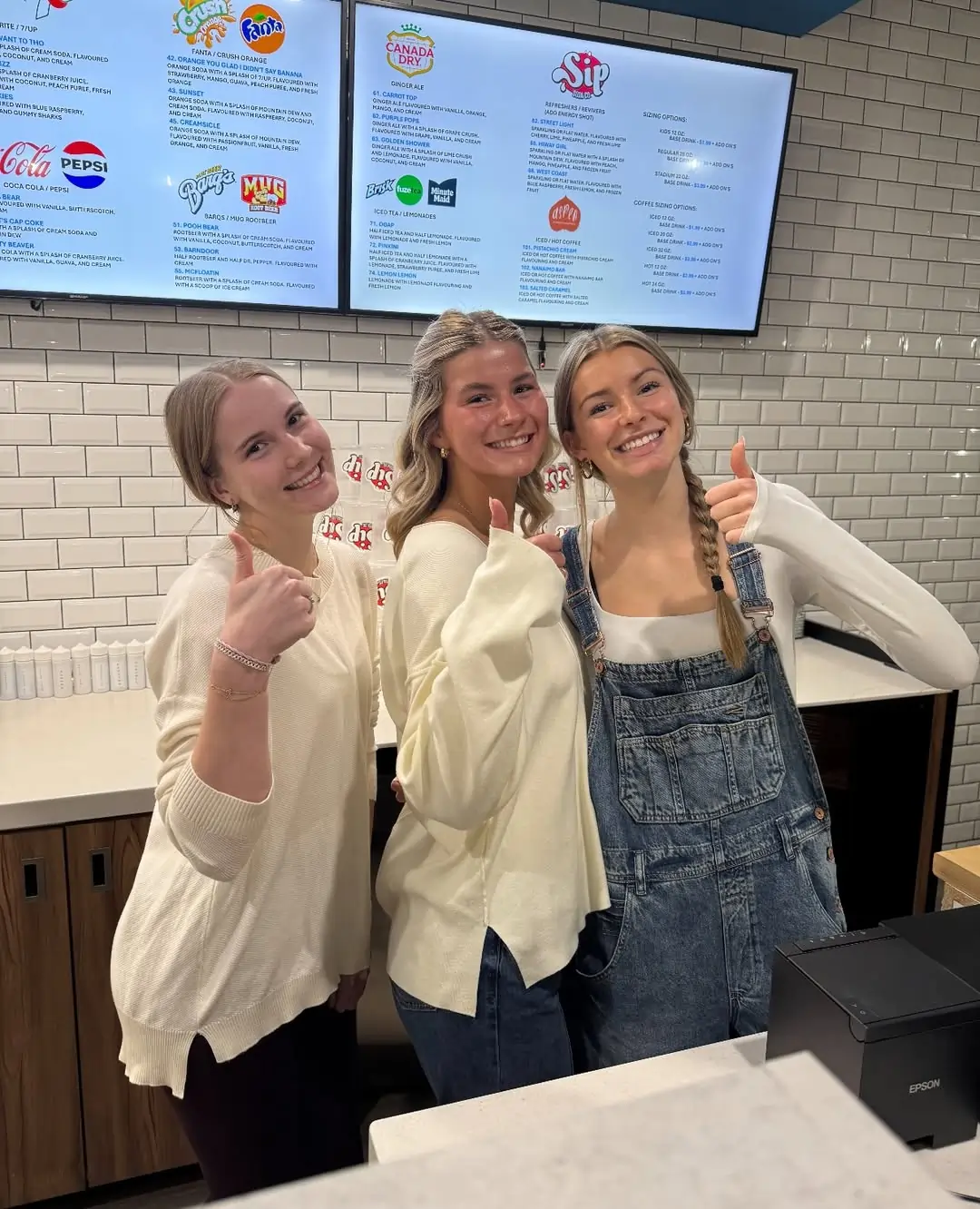
Cold climates often raise doubts about cold beverage concepts, but winter does not automatically eliminate demand. In Canada, consumer behavior shifts seasonally rather than disappearing entirely. Sip Soda evaluates winter suitability by focusing on experience-driven purchasing, menu flexibility, and traffic patterns rather than temperature alone.
The Core Concern: Do Cold Drinks Decline in Winter?
Cold beverage consumption typically declines in extreme winter conditions, but the reduction is rarely absolute. Canadians continue purchasing iced coffee, smoothies, and bubble tea throughout winter months, particularly in urban and suburban retail environments with indoor foot traffic.
The more relevant question is not whether cold drink demand exists, but whether the concept offers enough experiential value to maintain visits during colder seasons. Temperature influences impulse buying, yet repeat purchasing behavior is often driven by habit, social interaction, and brand affinity.
How Dirty Soda Differs From Traditional Soda Sales
Dirty soda concepts are not positioned as convenience beverages purchased solely for refreshment. They operate closer to specialty cafés, where customization and social engagement influence demand.
Customization as Experience
Customization transforms the purchase from a simple cold drink into a personalized product. When customers choose syrups, creams, and add-ons, the experience becomes interactive. Experience-driven purchases tend to remain more stable across seasons because the visit itself becomes part of the value proposition.
Consumers are less sensitive to temperature when the purchase fulfills a social or novelty-driven purpose.
Social Hangout Behavior in Winter
Winter often increases indoor social activity. Malls, retail plazas, and enclosed shopping areas see concentrated foot traffic during colder months. Beverage cafés can benefit from this migration toward indoor gathering spaces.
When positioned as a destination rather than a convenience stop, a dirty soda concept can maintain consistent engagement. Additional details about brand positioning and concept structure are outlined through Sip Soda’s Canadian model, which emphasizes experiential retail rather than seasonal impulse sales.
Winter Adaptation Strategies for Dirty Soda Cafés
While cold drinks remain viable in winter, adaptation strengthens stability. Operators who acknowledge seasonal shifts typically outperform those who treat winter identically to summer.
Seasonal Flavour Rotation
Seasonal syrups and limited-time combinations align the menu with winter consumer expectations. Flavor rotation creates anticipation and repeat visits without altering the core product structure.
Introducing winter-themed combinations maintains novelty while reinforcing brand identity.
Limited-Time Warm or Hybrid Offerings
Some operators introduce complementary warm or hybrid beverages during colder months. These additions do not replace the core menu but expand appeal for customers seeking temperature variety.
Offering a limited warm option can reduce hesitation without shifting the concept away from its primary identity.
Indoor Experience and Atmosphere
Interior comfort influences winter traffic retention. Lighting, seating layout, and visual merchandising become more influential when outdoor dwell time decreases.
Creating an inviting indoor environment encourages longer visits and group gatherings, which increases average ticket size and visit frequency.
Revenue Stability Across Seasons
Seasonality affects nearly all food and beverage concepts in Canada. The question is degree rather than existence.
Managing Slower Months
Operators should anticipate moderate winter softening in certain markets, particularly in regions with prolonged extreme cold. Stability often depends on maintaining repeat customers rather than relying on tourist or impulse traffic. Loyalty initiatives and promotional timing can help offset predictable slowdowns.
Leveraging Holiday and School Cycles
Winter includes high-traffic retail periods tied to holidays and school schedules. December retail concentration, reading weeks, and exam periods can increase student-driven traffic.
Suburban retail locations often perform differently from dense downtown cores during winter. Suburban plazas may benefit from localized loyalty, while downtown pedestrian traffic may fluctuate more significantly depending on commuting patterns.
When Winter Can Be a Competitive Advantage
Winter may reduce competition in certain beverage categories if seasonal operators scale back marketing intensity. A consistent year-round presence can strengthen brand loyalty when competitors become less visible.
Cold climates also reinforce the appeal of indoor gathering spaces. When customers seek sheltered social environments, cafés offering experiential beverages can benefit from increased dwell time.
Rather than eliminating demand, Canadian winters reshape it. Operators who anticipate behavioral shifts and adjust engagement strategy accordingly often experience stable long-term performance. Prospective franchisees or operators evaluating winter readiness can request additional concept guidance through the Sip Soda franchise inquiry page to assess adaptation strategies aligned with Canadian seasonal patterns.