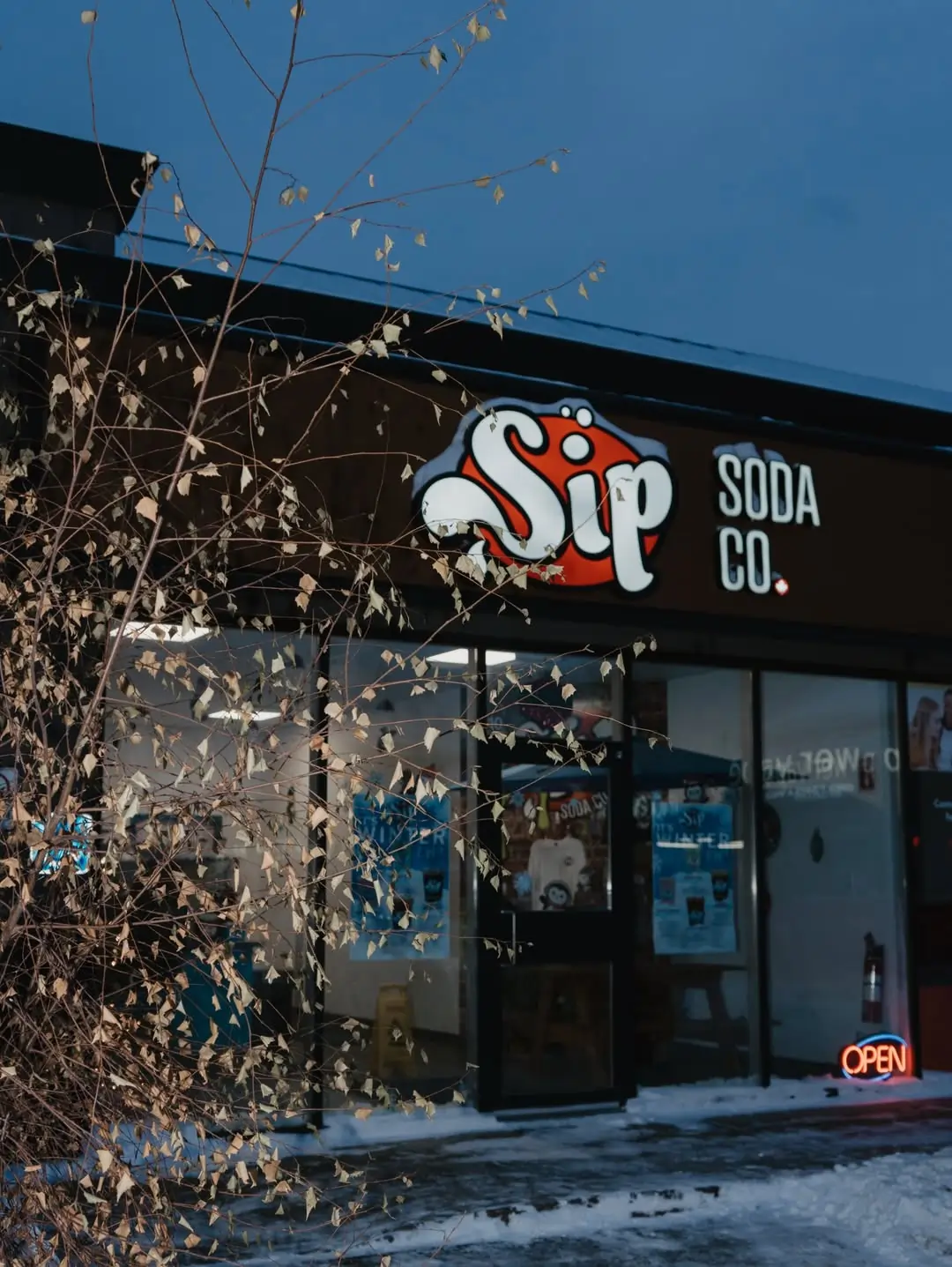
Why customizable drinks are replacing traditional soda in Canada reflects a shift in how people select and experience beverages in quick-service environments. Instead of relying only on pre-made options, more customers now prefer drinks they can modify to match their taste. Customizable drinks typically allow changes to a soda base through added syrups, creams, fruit flavours, and ice variations. This shift helps explain why Sip Soda fits the current Canadian beverage market, where personalization, novelty, and repeatable variety now influence buying decisions more than standardized soda. This change reflects a shift in preference, not a full replacement of traditional soda, which still performs in convenience-driven situations.
The Shift From Standardized Beverages to Personalization
Traditional soda focused on consistency. Customers chose from a limited set of flavours, accepted the formula as it was, and bought the same product each time. This model still works in high-speed retail and convenience settings, where retailers prioritize quick decisions and familiarity.
Custom beverage concepts respond to a different expectation by letting customers shape the final product. Instead of selecting a finished drink, the buyer chooses a base, adds flavours, adjusts sweetness, and changes the overall profile. This creates a tradeoff between speed and customization depth, where a more tailored drink may take longer to prepare but delivers a more specific result.
Personalization addresses menu fatigue, which happens when repeated exposure to the same fixed options reduces a sense of newness and lowers purchase frequency. A customizable format maintains variation without requiring constant new product launches, which supports repeat visits over time.
Consumer Desire for Control
Consumer demand for control reflects a preference to reduce mismatch between expectation and outcome. When customers adjust ingredients such as flavour intensity, sweetness, or texture, they are more likely to get a drink that matches their taste, which increases perceived value and repeat purchases.
This control also lowers the barrier to experimentation. Customers can build new combinations using familiar components instead of committing to an unknown product. However, limits exist. When brands present too many options without structure, some customers experience decision fatigue, which can slow ordering or reduce satisfaction.
Experience Over Commodity
Standard soda functions as a commodity because retailers widely offer it, price it competitively, and provide minimal variation across sellers. In this context, differentiation stays limited and often depends on brand or price rather than product experience.
Customizable drinks shift value toward the process of selection and the outcome of a tailored product. This does not eliminate price sensitivity, but it changes how customers evaluate the drink. When customization is visible and tied directly to preference, customers compare it to other specialty beverages instead of canned soda.
Social Media and the Visual Drink Economy
The visual drink economy describes how social platforms influence buying decisions through appearance in photos and short-form video. Drinks that show layered colours, add-ins, or distinct presentation get shared more often, which increases visibility and trial.
Traditional soda offers limited visual variation, which restricts its shareability. Customizable drinks, by contrast, can look different with each order. This supports discovery, but it does not guarantee long-term demand. Visual appeal often drives first-time purchases, while repeat visits depend on taste and overall experience.
Not all audiences engage equally with visual-driven discovery. This impacts younger, social-first users more, while other segments rely more on convenience or familiarity.
Why Younger Demographics Prefer Build-Your-Own Formats
Younger demographics, including Gen Z and younger Millennials, have grown up with personalization across digital and physical products. This shapes expectations in food and beverage categories, where fixed options feel less engaging.
Build-your-own drink formats match this behavior by allowing self-expression through frequent, low-cost purchases. This increases trial and repeat interaction because the product can change with each visit.
Preference for variety over strict brand loyalty is common in this group, but not universal. Loyalty still exists, though it often depends on whether a concept continues to offer relevance and customization. These formats can extend to older demographics over time, but adoption usually depends on familiarity and exposure.
Price sensitivity still matters. Customization can justify higher pricing when the added value is clear, but it does not remove cost considerations.
Retail Advantages of Custom Beverage Concepts
Custom beverage concepts expand perceived menu variety without requiring many separate products. A single base can support multiple combinations, which allows flexibility while maintaining consistent operations.
This model supports repeat traffic because customers return for variation instead of repetition. It also allows retailers to respond to local preferences by promoting combinations that perform well in a specific market.
There are operational tradeoffs. Customization can increase preparation time and require staff training to maintain consistency. In busy environments, speed limits may reduce how much customization can be offered without slowing service.
Brands typically position pricing against specialty beverages rather than standard soda. This reframes the comparison and helps explain why customers accept higher price points when the value is visible.
How Dirty Soda Cafés Fit This Shift in Canada
Dirty soda cafés feature soda-based drinks modified with syrups, creams, and other add-ins to create customized flavour profiles. This format aligns with current consumer behavior, including demand for personalization, interest in shareable products, and preference for repeatable variation.
This is where Sip Soda aligns with Canadian market behavior, particularly by offering a customizable system instead of a fixed menu. Models like Sip Soda Franchising extend this approach into scalable retail concepts.
The model has limitations. Demand can vary by region, and colder climates can affect seasonal purchasing patterns. However, long-term viability relies on repeat visits, menu flexibility, and adaptability. These factors signal sustained engagement rather than short-term novelty.
This positions customizable beverage concepts as a structural shift in how people consume drinks in certain retail settings, rather than a temporary trend.